
Suicidal Ideation
Supporting Youth in Deep Emotional Crisis

Understanding Critical Warning Signs in Youth
If your child is saying things like “I wish I were dead,” “I wish I wasn’t here,” or acting in ways that suggest they may be planning to harm themselves, these are urgent signals, not just bad days. These thoughts, behaviors, or plans can be life-threatening and signal the need for immediate, advanced support. At Alexander Youth Network, we provide high-level, intensive care for children and teens whose suicidal ideation is severe, persistent, or escalating.
Important: If your child is currently having thoughts of suicide or contemplating self-harm, please contact the 988 Crisis Lifeline immediately.
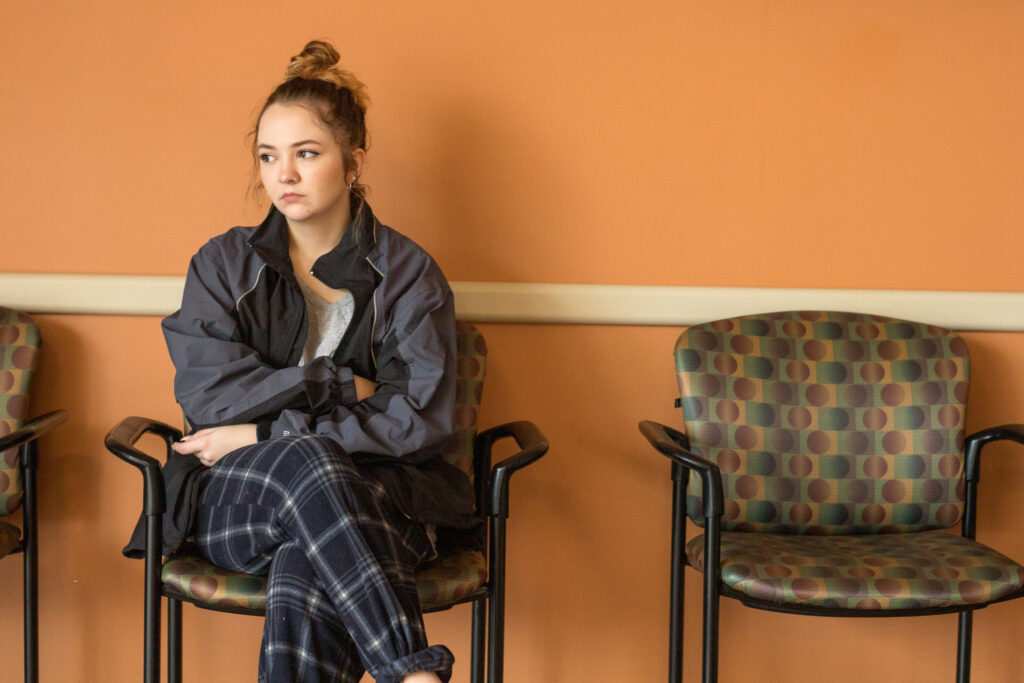
What to Look For as a Parent
When suicidal ideation is present, it may look very different from normal teenage drama or moodiness.
- Talking about suicide, or wanting to die or disappear
- A child saying things like “I just want to disappear,” “I wish I were dead,” or “It would be better if I weren’t here”
- Talking, writing or drawing about death
- A decrease in interest or withdrawal from family, friends, or previously enjoyed activities
- Sudden calm after a depressed period (may indicate a decision has been made)
- Making a plan, giving away cherished items, writing letters, searching for ways to kill themselves
- Self-harm behaviors (cutting, burning) or comments of self-injury
- Major changes in sleep, appetite, or hygiene—especially when paired with hopelessness
- Repeated school refusal or inability to attend due to emotional or behavioral crisis
- Escalating risk-taking or substance use alongside feelings of worthlessness or guilt
- History of trauma, bullying, sexual risk, or justice involvement in the youth’s life
If you see any of these signs especially along with suicidal thoughts, please act now. This is a condition that demands high-level intervention—not a wait-and-see approach.
Why This Risk Requires Immediate, High-Level Care
- Among U.S. high school students: 20.4% seriously considered attempting suicide and 9.5% reported actually attempting suicide in the past year.(Cited from CDC)
- 39.7% of students experienced persistent feelings of sadness or hopelessness and 28.5% experienced poor mental health.(cited from PubMed)
- For children ages 8-12, the rate of suicide has been rising by about 8% annually since 2008. (cited from National Institute of Mental Health)
- In children and pre-teens (ages 9 and 10), one study found a lifetime prevalence of 14.3% reporting suicidal ideation and 1.26% reporting a prior attempt. (cited from MGH Psychiatry News)
These figures show that suicidal thoughts and behaviors in youth are not rare, and when they occur, the risk to life, school performance, and relationships is real. When a child moves from thinking about suicide to planning or attempting, the need for specialized, high-intensity care is non-negotiable.
How Alexander Youth Network Treats Suicidal Ideation
When suicidal thoughts are present and safety is at stake, our full continuum of care is designed to respond with structure, supervision, and intensive therapeutic intervention:
Facility-Based Crisis Center
For children in immediate crisis who require intensive stabilization, 24/7 oversight, rapid psychiatric assessment, and safety-first intervention. Located in Greensboro, the Facility-Based Crisis Center offers an alternative to hospitalization or emergency room visits for children experiencing a crisis and is often the first step before moving into longer-term care.
Residential Treatment
For youth whose suicidal ideation or attempts have required emergency care or when safety concerns persist. Our Charlotte Psychiatric Residential Treatment Facility (PRTF) and Greensboro Residential Treatment Center (RTC) provide structured therapy, constant supervision, safety planning, and family involvement to rebuild hope and stability.
Intensive In-Home Services
When your child’s suicidal thoughts, self-harm behaviors, or emotional crises are persistent and disruptive to the family system, our IIH team comes into your home and community. We implement safety protocols, partner with your family to develop real-time coping strategies, deliver crisis intervention, and rebuild daily structure and connection—so your child can begin healing without being removed from the place they call home.
If your child is saying things that worry you, has made a plan, or you simply fear they may act on suicidal thoughts, please call the 988 Suicide & Crisis Lifeline now if they are in immediate danger. At Alexander Youth Network, we are ready to assist families in urgent need. You don’t have to navigate this alone. Your child can get the life-saving care they deserve and your family can rebuild safety, connection, and hope.