

At Alexander Youth Network, we often meet children during some of their hardest moments. For one young boy, those challenges showed up through behaviors that were affecting every part of his life.
At home, there was frequent conflict with his mom and sister. Small moments could quickly turn into arguments. He struggled to express what he was feeling, and those emotions often came out through acting out. For his family, it felt like they were constantly reacting, trying to keep things from escalating without always understanding what was underneath it all.
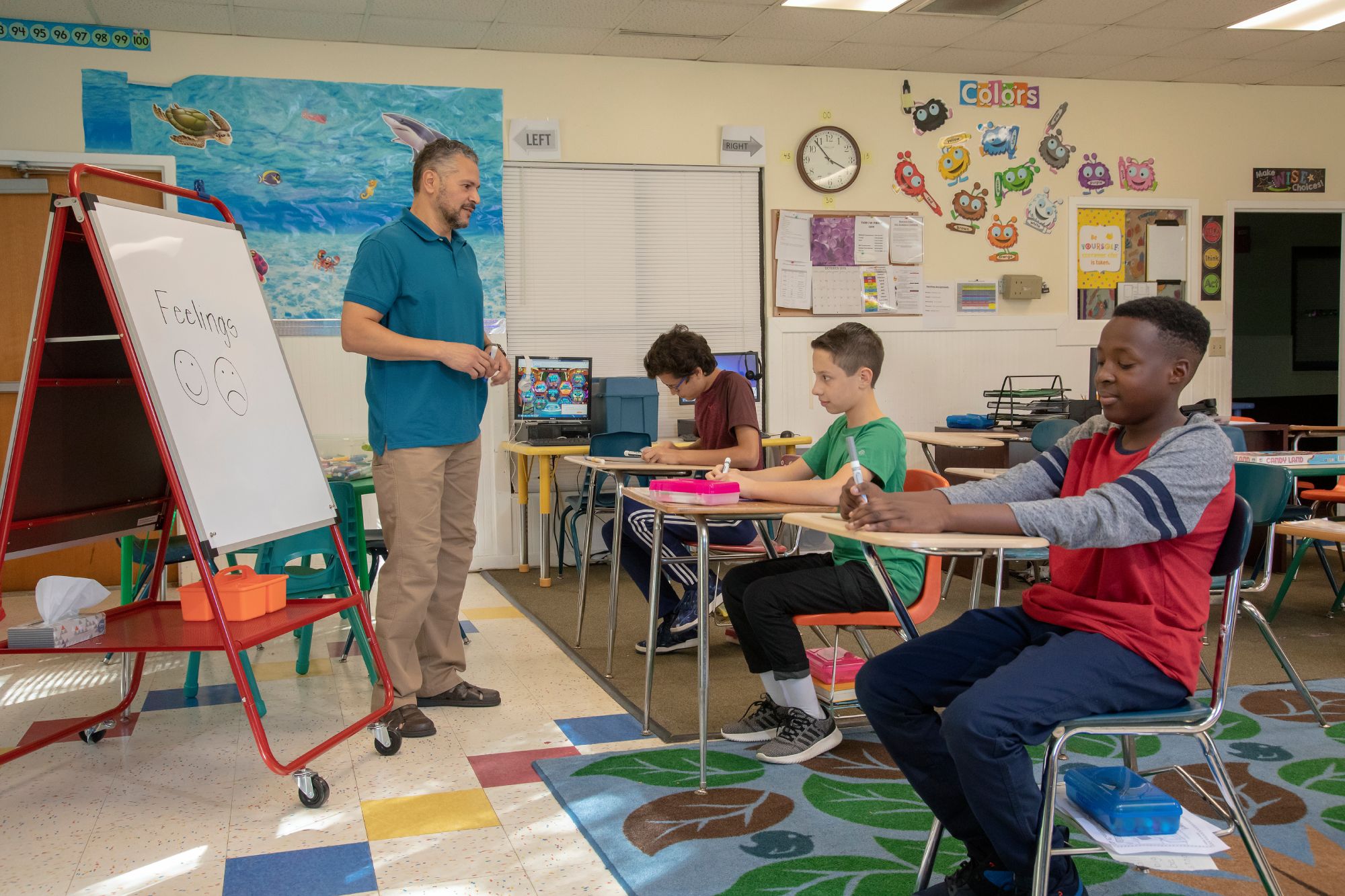
He first entered our Day Treatment program, where he responded well to structure and consistency. With clear expectations and support throughout the day, he began to stabilize. Staff saw glimpses of his ability to focus, engage, and connect. But it also became clear that progress during program hours needed to carry over into the home for real change to take hold. That is when his care expanded.
Through a combination of Transition House services and Intensive In-Home, our team began working with both him and his family. This shift mattered. Instead of focusing only on behavior, the work centered on building understanding. He began learning how to identify his emotions and communicate them in a way others could understand. At the same time, his family was supported with tools to respond differently, creating space for calmer interactions and more productive conversations. Change did not happen overnight, but it was steady.
When he returned to Day Treatment, staff noticed the difference right away. He was calmer and more aware of what he was feeling. He could pause, think, and use words instead of reacting. Situations that once led to outbursts became moments where he could ask for help or explain what was bothering him. At home, the impact was just as meaningful. The tension that once filled everyday interactions began to ease. Communication improved. His mom and sister started to see a different side of him, and he, in turn, felt more understood. The family began to reconnect in ways that once felt out of reach.
This is what becomes possible when care goes beyond one setting. When support reaches both the child and the family, it creates consistency, builds trust, and strengthens relationships over time. This is the impact of a connected approach to care. Not just helping a child in the moment, but helping families move forward together.
Written by Shay Woodard